
Gentle Korean routines for sensitive, redness-prone skin. This guide covers the Korean approach to redness & sensitivity, from ingredients and routines to clinic treatments and prevention.
CONTENTS
- 1. What Causes Redness & Sensitivity?
- 2. How Does K-Beauty Approach This Differently?
- 3. What Are the Key Korean Ingredients?
- 4. What K-Beauty Routine Works for Redness & Sensitivity?
- 5. Which Korean Products Should I Use?
- 6. What Korean Clinic Treatments Are Available?
- 7. How Can I Prevent This Long-Term?
- 8. Frequently Asked Questions
What Causes Redness & Sensitivity?
These are the main causes of redness & sensitivity:
- Compromised skin barrier allowing irritant penetration
- Rosacea or chronic inflammatory conditions
- Environmental triggers (temperature changes, wind, pollution)
- Over-exfoliation or harsh product reactions
- Genetic predisposition to thin, reactive skin
How Does K-Beauty Approach Redness & Sensitivity Differently?
Korean skincare has many products for sensitive skin, partly because many Korean consumers have reactive skin from the harsh continental climate (cold dry winters, hot humid summers). K-beauty brands like Pyunkang Yul, Soon Jung (Etude), and Dr. Jart+ Cicapair built entire lines around calming redness. The usual Korean advice is to cut your routine to the basics, use gentle ingredients, and rebuild your barrier before adding any actives. The concept of 'skip-care' (스킵케어) comes from this idea.
Key K-Beauty Principle: Korean skincare for redness & sensitivity works on the causes as well as the symptoms.
What Are the Key Korean Ingredients for Redness & Sensitivity?
These ingredients show up most in Korean products for redness & sensitivity:
Centella Asiatica (CICA)
The most common Korean ingredient for redness. Contains madecassoside and asiaticoside that calm inflammation, strengthen capillaries, and repair barrier damage. Used in Korean dermatology post-procedure recovery.
Panthenol (Vitamin B5)
Hydrating and anti-inflammatory. Strengthens the skin barrier and reduces redness. Korean sensitive-skin lines use concentrations of 2 to 5%.
Madecassoside
A specific compound from Centella Asiatica used on its own in calming products.
Aloe Vera
Natural anti-inflammatory and cooling agent. Korean aloe vera gels (Jeju-sourced) cool and soothe flushed, irritated skin.
Beta-Glucan
A soothing ingredient derived from oats or mushrooms.
What K-Beauty Routine Works for Redness & Sensitivity?
A Korean skincare routine for redness & sensitivity:
Which Korean Products Help with Redness & Sensitivity?
These K-beauty products list at least one of the ingredients above in their sourced full ingredient list. This is a match on the ingredient name only, not a test of results:
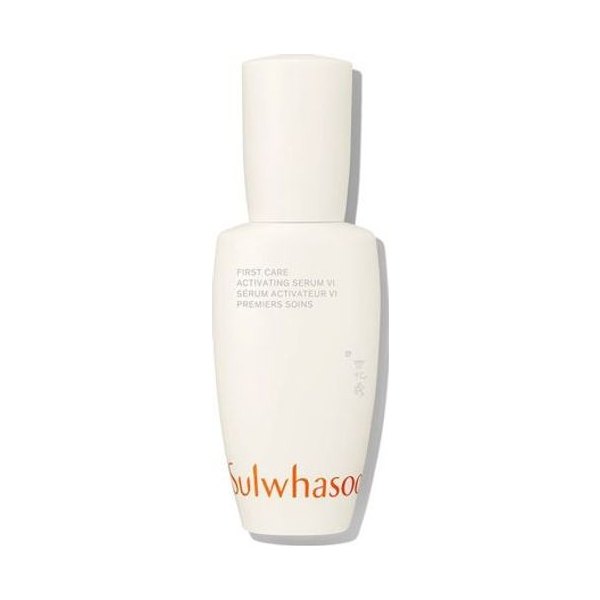
Sulwhasoo
First Care Activating Serum
Ingredient list includes Madecassoside (Root Extract) (Madecassic Acid)
Ingredient list source: INCIDecoder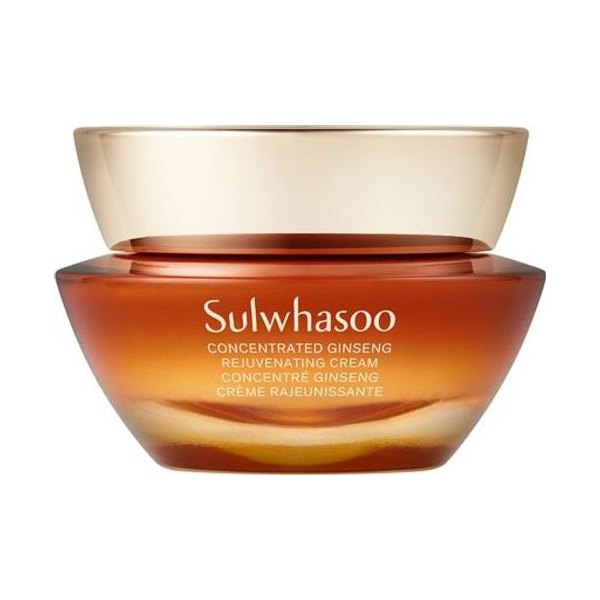
Sulwhasoo
Concentrated Ginseng Cream
Ingredient list includes Beta-Glucan
Ingredient list source: INCIDecoder
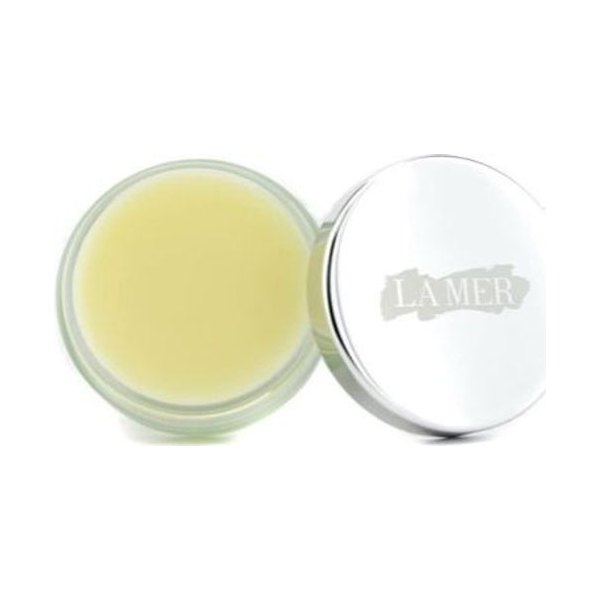
La Mer
Lip Balm
Ingredient list includes Aloe Barbadensis Leaf Extract
Ingredient list source: INCIDecoder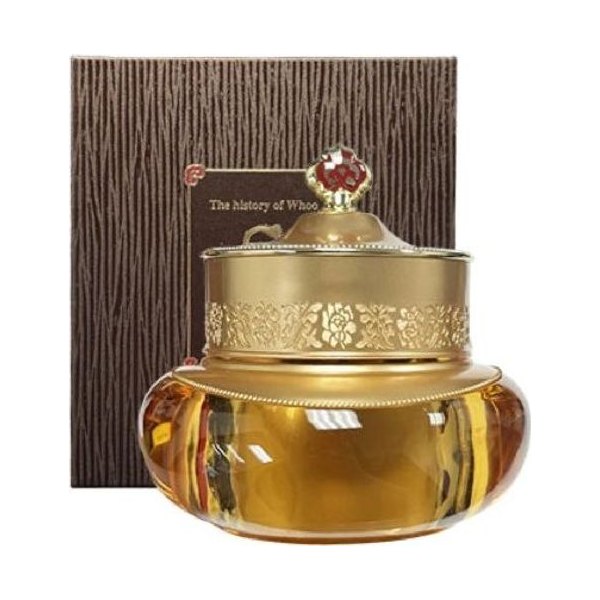
The Whoo
Gongjinhyang Intensive Nutritive Cream
Ingredient list includes Panthenol
Ingredient list source: INCIDecoder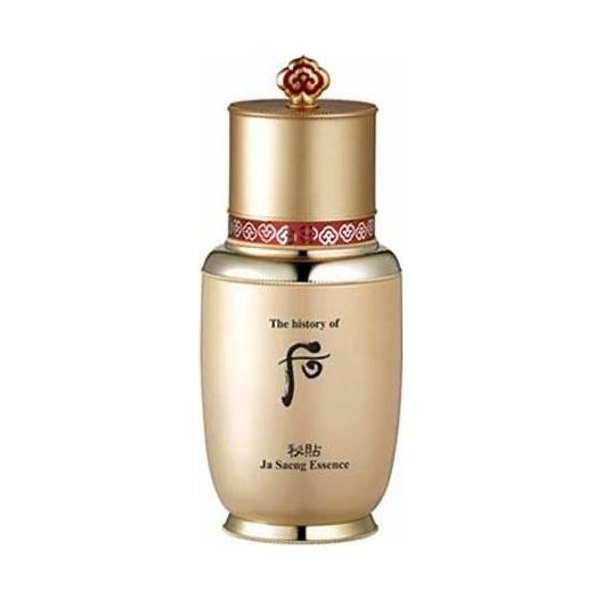
The Whoo
Bichup Self-Generating Anti-Aging Essence
Ingredient list includes Panthenol
Ingredient list source: INCIDecoder
Explore more: Browse the K-beauty product list with checked Korean prices.