
Korean brightening products are made with PIH-prone Asian skin in mind. This guide covers the Korean approach to dark spots & hyperpigmentation, from ingredients and routines to clinic treatments and prevention.
CONTENTS
- 1. What Causes Dark Spots & Hyperpigmentation?
- 2. How Does K-Beauty Approach This Differently?
- 3. What Are the Key Korean Ingredients?
- 4. What K-Beauty Routine Works for Dark Spots & Hyperpigmentation?
- 5. Which Korean Products Should I Use?
- 6. What Korean Clinic Treatments Are Available?
- 7. How Can I Prevent This Long-Term?
- 8. Frequently Asked Questions
What Causes Dark Spots & Hyperpigmentation?
These are the main causes of dark spots & hyperpigmentation:
- UV-induced melanin overproduction
- Post-inflammatory hyperpigmentation (PIH) from acne or injury
- Hormonal changes (melasma)
- Aging-related sun spots (solar lentigines)
- Friction or irritation darkening (post-inflammatory)
How Does K-Beauty Approach Dark Spots & Hyperpigmentation Differently?
Korean skincare puts a lot of work into brightening because Asian skin is prone to hyperpigmentation. While Western skincare relies heavily on hydroquinone (which can cause rebound darkening), K-beauty combines several ingredients: niacinamide, arbutin, vitamin C, and licorice root working together at lower, safer concentrations. Korean cosmetic regulations (MFDS) have strict guidelines for brightening ingredients, so brands work with gentler formulas.
Key K-Beauty Principle: Korean skincare for dark spots & hyperpigmentation works on the causes as well as the symptoms.
What Are the Key Korean Ingredients for Dark Spots & Hyperpigmentation?
These ingredients show up most in Korean products for dark spots & hyperpigmentation:
Niacinamide (Vitamin B3)
Inhibits melanin transfer from melanocytes to skin cells. At 2 to 5%, it has been shown to reduce dark spots over 8 to 12 weeks. Found in many Korean brightening products.
Arbutin (Alpha-Arbutin)
A natural hydroquinone derivative from bearberry plants. Inhibits tyrosinase (the enzyme that produces melanin) without the side effects of hydroquinone. MFDS-approved brightening ingredient.
Vitamin C (Ascorbic Acid / SAP)
Antioxidant that interrupts melanin production and fades existing spots. Korean formulas often use stabilized derivatives (SAP, MAP) that are less irritating than pure L-ascorbic acid.
Licorice Root Extract (Glabridin)
Traditional Korean herbal brightener that inhibits tyrosinase and has anti-inflammatory benefits. Gentle enough for sensitive skin.
Tranexamic Acid
Originally a blood-clotting medication, now widely used in K-beauty for treating melasma and stubborn dark spots. Korean dermatologists prescribe it both orally and topically.
What K-Beauty Routine Works for Dark Spots & Hyperpigmentation?
A Korean skincare routine for dark spots & hyperpigmentation:
Which Korean Products Help with Dark Spots & Hyperpigmentation?
These K-beauty products list at least one of the ingredients above in their sourced full ingredient list. This is a match on the ingredient name only, not a test of results:
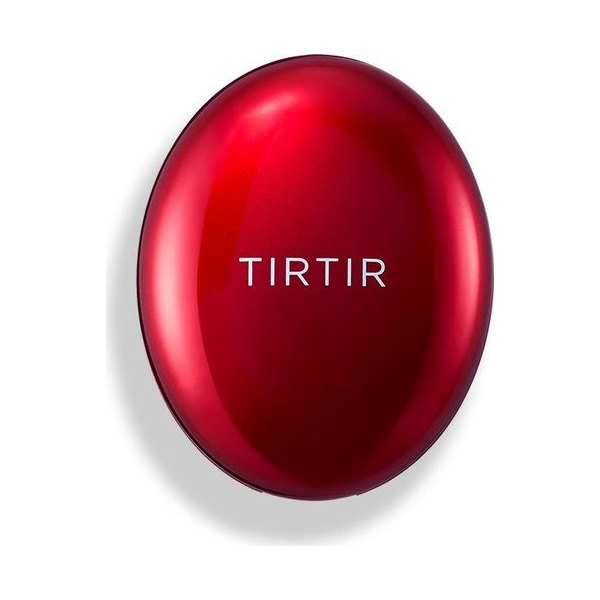
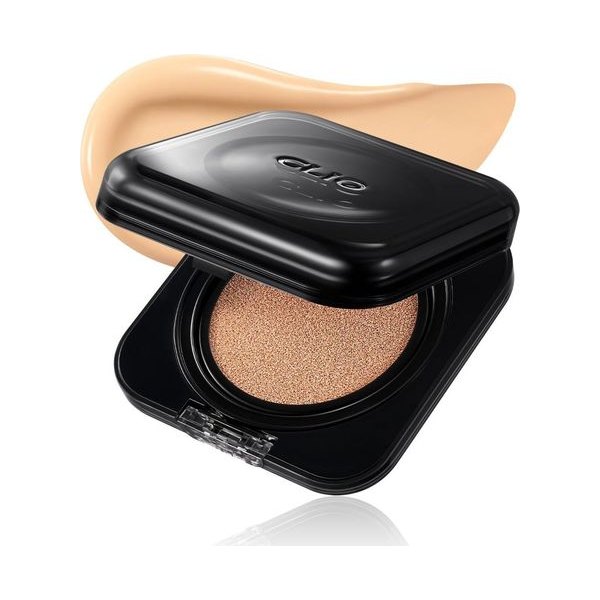
CLIO
Kill Cover Founwear Cushion All New
Ingredient list includes Niacinamide
Ingredient list source: Skincarisma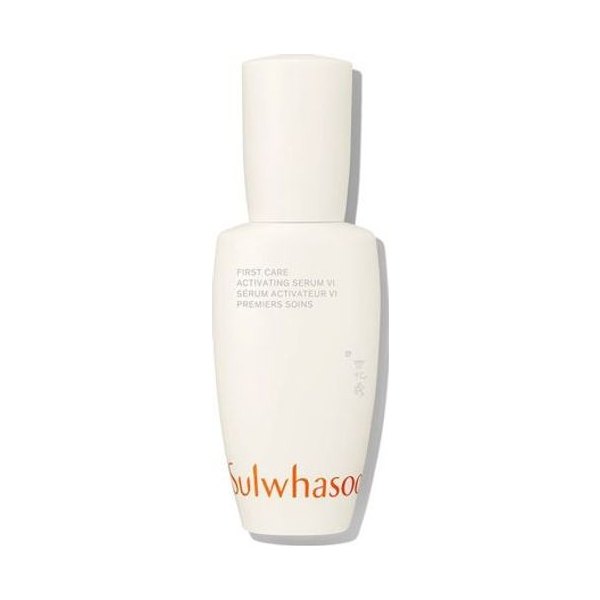
Sulwhasoo
First Care Activating Serum
Ingredient list includes 3-O-Ethyl Ascorbic Acid
Ingredient list source: INCIDecoder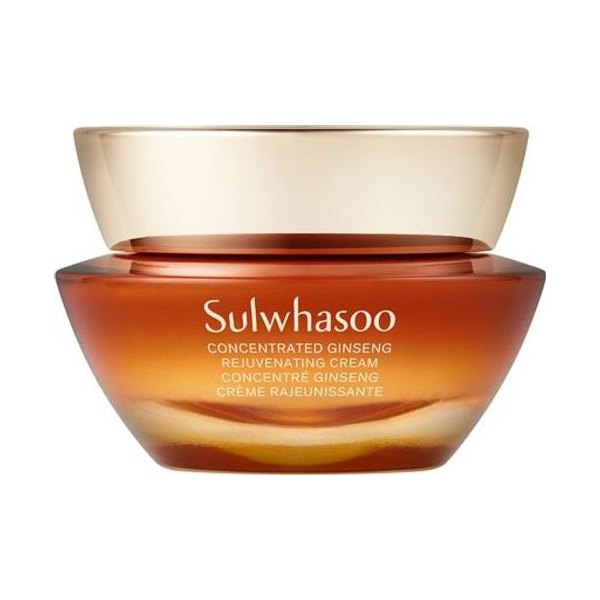
Sulwhasoo
Concentrated Ginseng Cream
Ingredient list includes Glycyrrhiza Uralensis (Licorice) Root Extract
Ingredient list source: INCIDecoder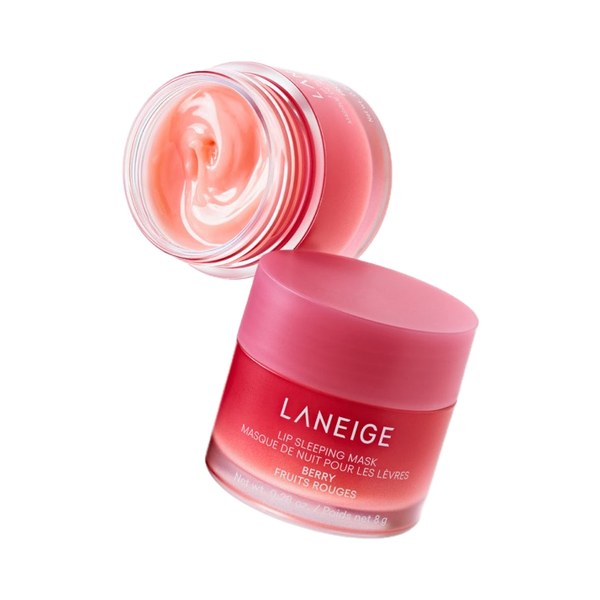
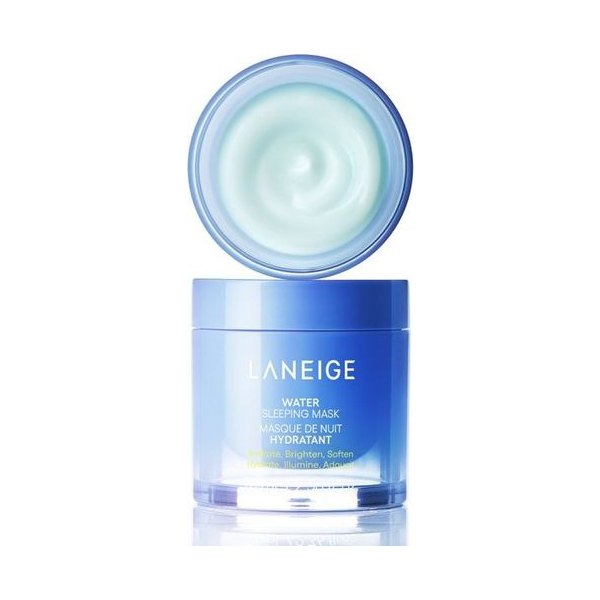
Laneige
Water Sleeping Mask
Ingredient list includes Tranexamic Acid
Ingredient list source: INCIDecoder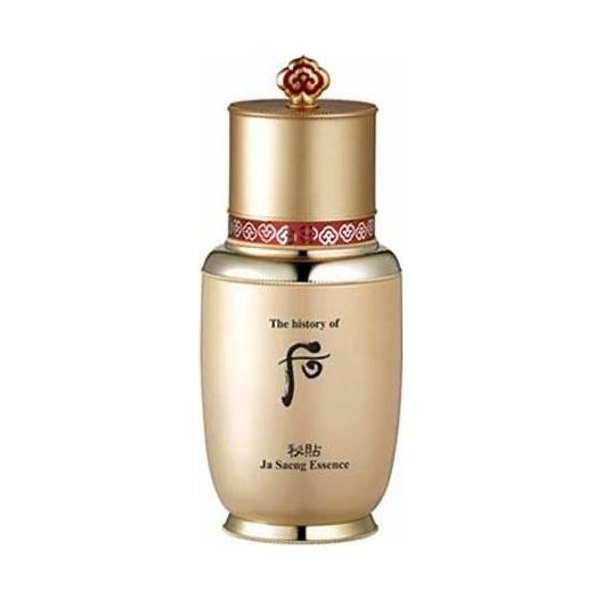
The Whoo
Bichup Self-Generating Anti-Aging Essence
Ingredient list includes Glycyrrhiza Glabra (Licorice) Root Extract
Ingredient list source: INCIDecoder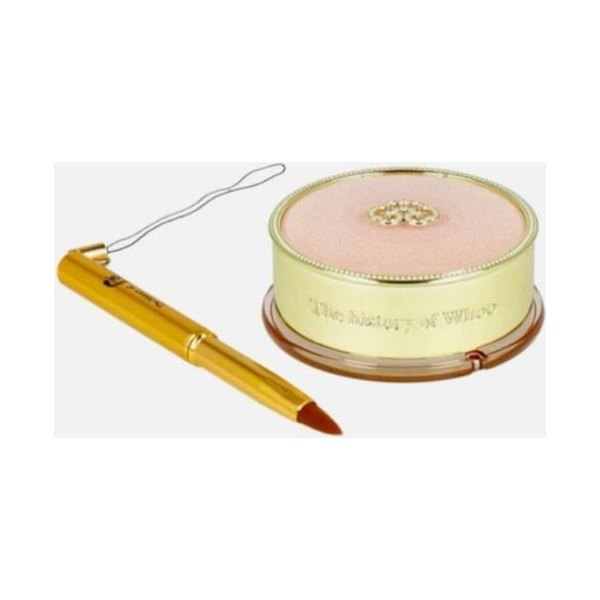
The Whoo
Royal Lip Balm
Ingredient list includes Glycyrrhiza Glabra (Licorice) Root Extract
Ingredient list source: INCIDecoderExplore more: Browse the K-beauty product list with checked Korean prices.