
A Winter Skincare Routine for Acne Prone Skin That Works
Struggling with breakouts in the cold? Our expert K-beauty guide reveals the perfect winter skincare routine for acne prone skin. Get clear, hydrated skin now.

Why Winter Wreaks Havoc on Acne-Prone Skin
That tight, itchy feeling when you step inside from the biting cold isn't just uncomfortable, it's a warning sign for your acne-prone skin. While summer humidity can feel like the prime enemy of clear skin, winter presents a unique and insidious set of challenges. The combination of frigid outdoor air and dry, blasting indoor heat creates a perfect storm for inflammation and breakouts. The core of the problem lies in your skin barrier, the protective outermost layer of lipids and skin cells responsible for keeping moisture in and irritants out. When this barrier is compromised, your skin becomes vulnerable.
Here’s the science. Cold air holds significantly less moisture than warm air. This low humidity environment constantly pulls water from your skin, a process called transepidermal water loss (TEWL). As your skin loses hydration, its barrier function weakens. The lipids that hold your skin cells together, like mortar between bricks, begin to break down. This leads to microscopic cracks in your skin, making it more permeable to bacteria, including the acne-causing Cutibacterium acnes. Your skin, sensing this damage and dehydration, may even overcompensate by producing more oil, which can lead to clogged pores. It's a vicious cycle. The result is skin that's simultaneously dry, irritated, oily, and breaking out, a frustrating combination that leaves many feeling helpless. The goal of a proper winter skincare routine for acne prone skin isn't to attack the breakouts with harsh treatments, but to nurture and rebuild that essential skin barrier. A happy barrier means calm, hydrated, and ultimately, clearer skin, even when the temperatures drop below freezing, a look perfected by idols like aespa's Winter.
Step 1: The Gentle Cleanse That Changes Everything
When your skin feels greasy and broken out, the first instinct is often to reach for a powerful, foaming cleanser that leaves your face feeling squeaky clean. In winter, this is the single biggest mistake you can make. That squeaky-clean feeling is actually the sound of your skin barrier being stripped of its essential, protective oils. This immediately triggers inflammation and dehydration, making your acne worse. The K-beauty solution is the revered double cleansing method, adapted for winter sensitivity.

Curation: The double cleanse involves using two different types of gentle cleansers to properly clean your skin without stripping it.
Interpretation: An oil-based cleanser is your first step. Oil attracts oil, so it’s uniquely effective at melting away makeup, sunscreen, and excess sebum from your pores. Unlike harsh foaming agents, it does this without disrupting your skin’s delicate pH or lipid barrier. The second step is a water-based cleanser, but the key is to choose one that is low-pH (around 5.5, similar to your skin's natural pH) and formulated with hydrating ingredients like glycerin or hyaluronic acid, not stripping sulfates.
Execution: Here’s how to do it right. Start with dry hands and a dry face. Massage a cleansing balm or oil, like the Banila Co Clean It Zero or the Manyo Factory Pure Cleansing Oil, onto your skin for a full 60 seconds. This gives the oil enough time to dissolve impurities. Next, add a splash of lukewarm water to emulsify the oil, turning it milky, and massage for another 20 seconds before rinsing thoroughly. Follow up immediately with a small amount of your gentle, water-based cleanser, like the COSRX Low pH Good Morning Gel Cleanser. Lather it in your hands first, then gently cleanse your face for no more than 60 seconds. Pat your skin dry with a clean, soft towel. Your face should feel clean, soft, and comfortable, never tight.
Step 2: Hydration Layers, Not Heavy Creams
For acne-prone skin, slathering on a single, thick, heavy cream to combat winter dryness can feel like a recipe for clogged pores. While your skin desperately needs moisture, an overly occlusive layer can trap oil and bacteria. This is where another core K-beauty principle shines: layering hydration. Instead of relying on one product, you build up multiple, lightweight layers of hydrating toners, essences, and serums. This technique, sometimes called “skin flooding,” delivers deep, lasting hydration to the skin without the heavy, greasy feeling that can trigger breakouts.
Curation: The stars of this step are humectants, ingredients that attract water and pull it into the skin. Look for products featuring hyaluronic acid, beta-glucan, snail mucin, glycerin, and panthenol.
Interpretation: Each light layer absorbs fully, delivering its payload of moisture deep into the epidermis. By the time you've applied two to three layers, your skin is plump and saturated with water, creating a healthy environment for your skin cells to function properly. This deep hydration helps to regulate oil production and calm inflammation. It also preps your skin to better absorb any treatments that follow. A product like Sulwhasoo's iconic First Care Activating Serum is a perfect example of this philosophy. It's used right after cleansing to boost hydration and enhance the efficacy of all subsequent products.

Execution: The method is simple. After cleansing, while your skin is still slightly damp, apply your first watery layer. This could be a hydrating toner like the Klairs Supple Preparation Unscented Toner. Dispense it into your palms and gently pat it into your skin until mostly absorbed. You can repeat this step two or three times, a technique known as the “7 Skin Method” (though 2-3 is plenty for most). Follow this with a slightly more viscous essence or serum, like the COSRX Snail 96 Mucin Power Essence, again patting it in gently. This layering approach ensures your skin is dewy and hydrated from within, creating a resilient foundation for the rest of your routine.
Step 3: Smart Exfoliation and Targeted Treatments
Exfoliation is crucial for acne-prone skin to keep pores clear of dead skin cells. However, in winter, aggressive exfoliation can be catastrophic for your already-fragile skin barrier. Harsh physical scrubs with jagged particles create micro-tears, inviting inflammation and infection. Overusing potent chemical exfoliants like high-concentration glycolic acid (AHA) or salicylic acid (BHA) can lead to redness, peeling, and a completely compromised barrier. The key is to be strategic and gentle.
Curation: Shift your focus from aggressive, all-over exfoliation to gentle, less frequent chemical exfoliation and targeted acne treatments.
Interpretation: Polyhydroxy Acids (PHAs), like lactobionic acid and gluconolactone, are your best friends in winter. Their molecular structure is larger than AHAs and BHAs, meaning they don't penetrate as deeply and work on the surface of the skin. This provides gentle exfoliation with less potential for irritation. They also have humectant properties, meaning they hydrate while they exfoliate. Salicylic acid (BHA) is still excellent for clearing out pores, but instead of using a daily toner, consider using a 2% BHA product as a spot treatment directly on active pimples. This gives you the pore-clearing benefit without drying out your entire face. After any exfoliation, it is critical to focus on repair. Using a multi-tasking serum like Estee Lauder's Advanced Night Repair can help soothe the skin and support its overnight recovery process.

Execution: Limit exfoliation to just one or two times per week. On your chosen night, after your hydrating toner step, apply a PHA-based serum like The Inkey List's PHA Toner. Let it absorb for a few minutes. On non-exfoliating nights, you can apply a calming serum with ingredients like Centella Asiatica (Cica), Madecassoside, or Niacinamide to reduce redness and support barrier health. If a pimple appears, use a Q-tip to dab a BHA liquid, like the Paula's Choice 2% BHA Liquid Exfoliant, directly onto the spot before your moisturizer. This approach keeps your skin smooth and clear without sacrificing its health.
Step 4: The Barrier-Boosting Moisturizer and SPF
After carefully cleansing, hydrating, and treating your skin, the final two steps are non-negotiable for sealing in all that goodness and protecting your skin from the elements. A well-formulated moisturizer and a daily sunscreen are your primary lines of defense for a healthy winter complexion. Skipping either of these can undo all your hard work, leaving your skin dehydrated and vulnerable.
Curation: Choose a moisturizer focused on barrier repair and a broad-spectrum sunscreen with an SPF of 30 or higher.
Interpretation: Your winter moisturizer should do more than just hydrate. It needs to contain ingredients that actively repair and support your skin barrier. Look for the three magic ingredients: ceramides, cholesterol, and fatty acids. These are the lipids that naturally make up your skin barrier, so applying them topically helps to patch up any weaknesses. Niacinamide and panthenol are also fantastic additions for calming inflammation and improving moisture retention. For sunscreen, remember that UVA rays, which cause aging and cellular damage, are present year-round and can penetrate through clouds and windows. Consistent SPF use not only protects against skin cancer but also helps prevent post-inflammatory hyperpigmentation (the dark spots left after a pimple heals) from worsening.
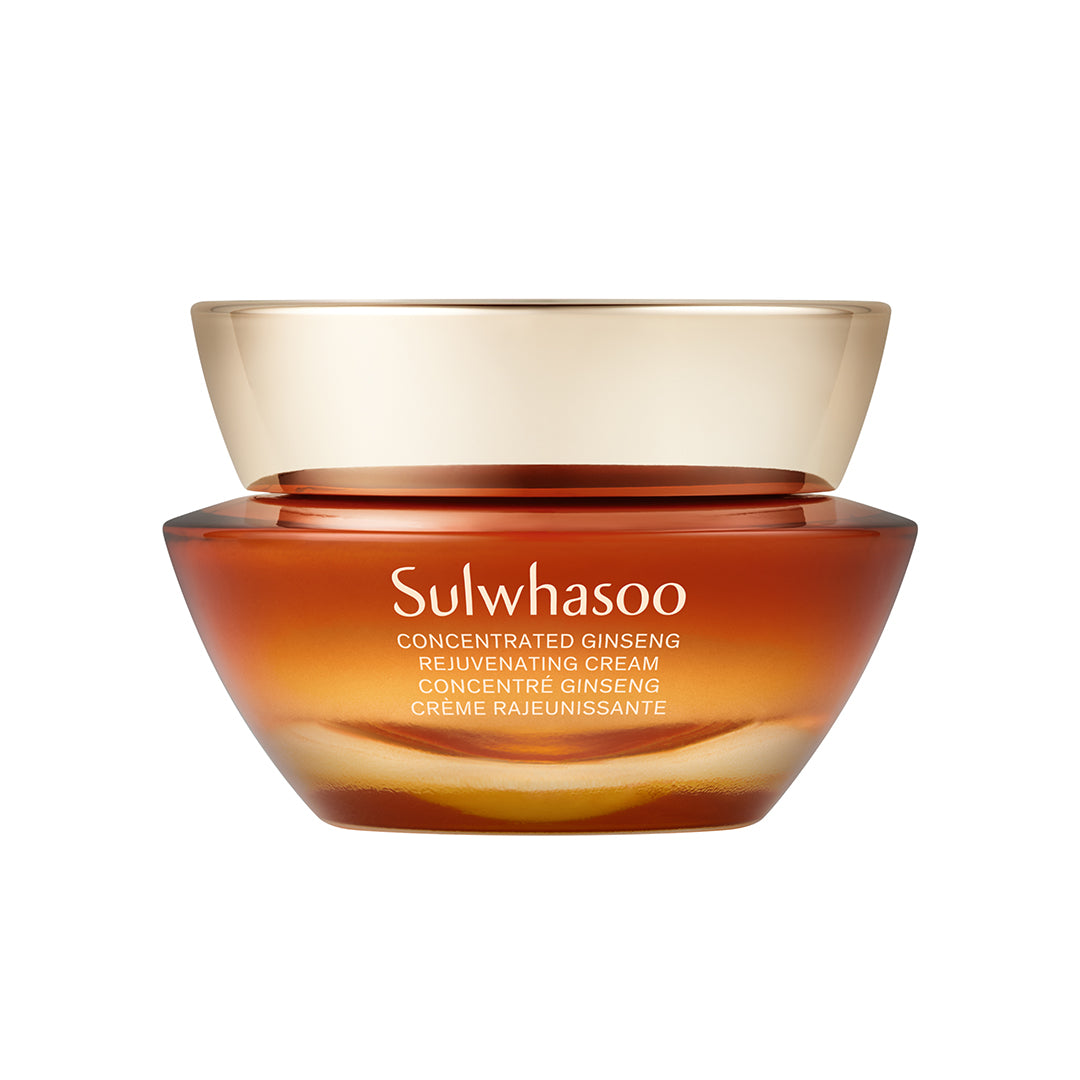
Execution: In the morning, after your serums, apply a moisturizer with a gel-cream or lotion texture. Products like the La Roche-Posay Toleriane Double Repair Face Moisturizer or the Illiyoon Ceramide Ato Concentrate Cream are excellent choices that are nourishing without being greasy. For nighttime, you can use the same moisturizer or opt for something a bit richer to support overnight repair, like a rich cream like the Sulwhasoo Concentrated Ginseng Cream. For your morning routine, the final step is always sunscreen. Apply a generous amount (about two fingers' length for your face and neck) of a hydrating sunscreen like the Beauty of Joseon Relief Sun : Rice + Probiotics (SPF50+ PA++++). Many K-beauty sunscreens have elegant, lightweight formulas that feel more like a moisturizer and won't clog pores, making them perfect for acne-prone skin.
Beyond the Face: Lifestyle and Lip Care Tips
Achieving clear, calm skin in the winter is a holistic endeavor. What you do in your daily life can have just as much impact as the products you put on your face. A few small adjustments can significantly support your skincare routine and help you maintain that healthy glow, a signature of stars like Jennie from BLACKPINK. From the air you breathe while you sleep to the makeup you choose to wear, every detail counts.
Curation: Incorporate environmental support, mindful habits, and dedicated lip care into your winter wellness plan.
Interpretation: Indoor heating systems parch the air, pulling moisture from your skin all night long. A humidifier in your bedroom adds moisture back into the air, creating a less stressful environment for your skin barrier. Similarly, your lips, which have no oil glands of their own, are often the first to show signs of winter dehydration. A simple lip balm is often not enough to combat severe chapping. A dedicated, intensive lip treatment is essential. Finally, if you wear makeup, choosing the right base product is key. A heavy, matte foundation can cling to dry patches and look cakey. A hydrating, serum-infused cushion foundation can provide beautiful coverage while supporting your skin's moisture levels.
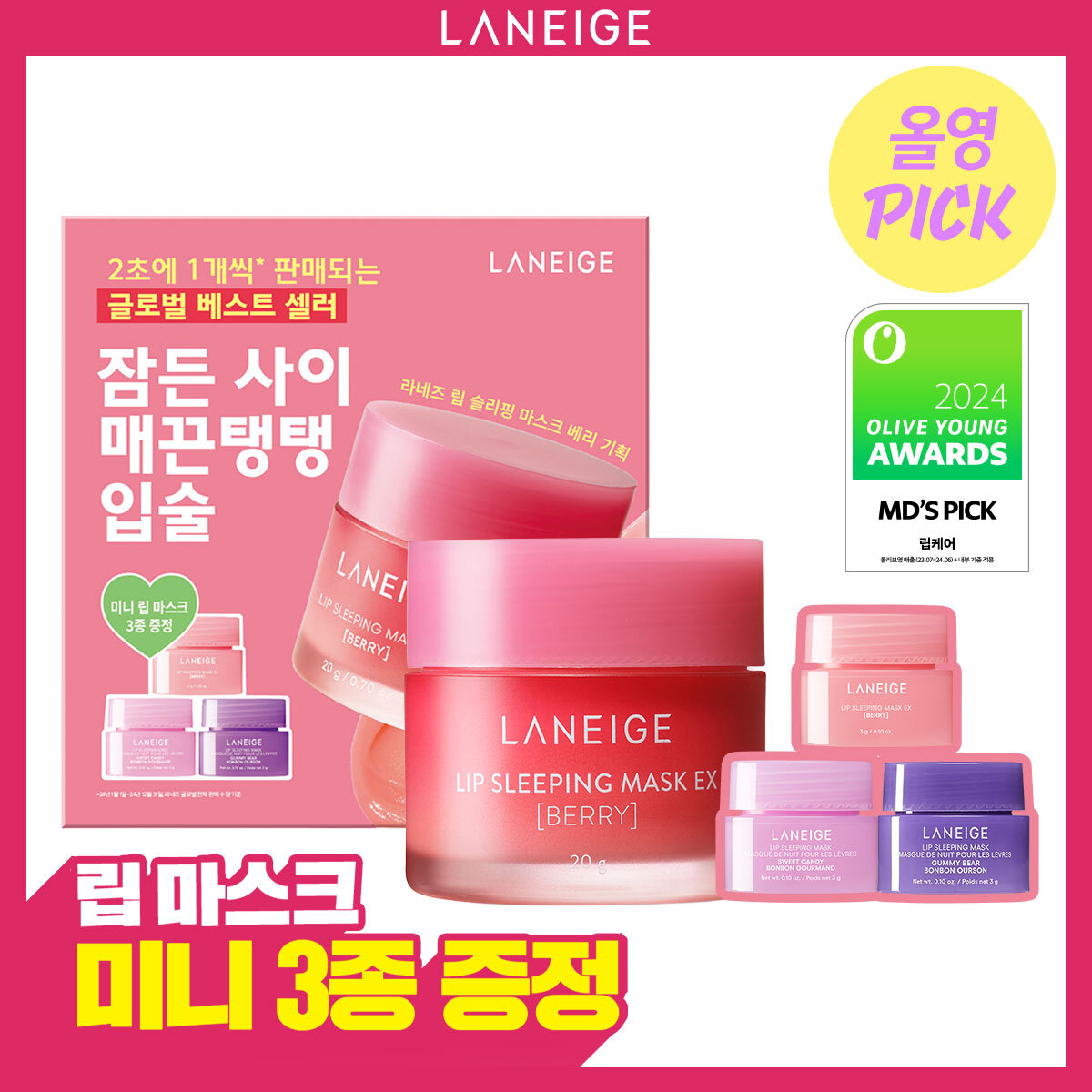
Execution: Place a cool-mist humidifier by your bedside and run it overnight. Aim for a humidity level between 40-50%. Make a conscious effort to not touch or pick at your face, as this transfers bacteria and worsens inflammation. For your lips, apply a hydrating lip balm like Dior's Addict Lip Glow throughout the day. At night, slather on a thick layer of Laneige's cult-favorite Lip Sleeping Mask to heal and soften them while you sleep. When you need coverage, opt for a foundation known for its skin-friendly formula, like the popular TIRTIR Mask Fit Red Cushion, which offers high coverage with a semi-matte finish that doesn't feel drying. By combining a thoughtful skincare routine with these supportive lifestyle habits, you can conquer winter and keep your acne-prone skin balanced, clear, and comfortable.
Frequently Asked Questions
Should I use a heavier moisturizer for acne-prone skin in winter?
Yes, but choose wisely. Look for non-comedogenic formulas rich in barrier-repairing ingredients like ceramides and niacinamide. A gel-cream or a nourishing lotion can be a great step up from a summer gel without clogging pores.
Can I still use salicylic acid for acne in the winter?
Absolutely, but with caution. Instead of applying it all over your face, consider using a 2% BHA solution as a spot treatment directly on pimples. This minimizes widespread dryness and irritation while still targeting breakouts effectively.
Is double cleansing necessary for acne-prone skin in winter?
It's highly recommended. A gentle oil or balm cleanser effectively removes makeup and SPF without stripping your skin’s natural oils. Following up with a hydrating, low-pH cleanser ensures your skin is clean but not tight, which is crucial for preventing winter irritation.
How often should I exfoliate acne-prone skin in winter?
Reduce exfoliation frequency to just 1-2 times per week. Opt for gentler chemical exfoliants like PHAs or mandelic acid over harsh physical scrubs. Over-exfoliating will compromise your skin barrier, leading to more inflammation and breakouts.